Berlin has finally surrendered to the inevitable, reviving a state subsidy for electric vehicles that was extinguished with such uncharacteristic haste only two years ago.
The new measures, announced on Monday by Environment Minister Carsten Schneider, are a three-billion-euro bet on the proposition that the German automotive industry—that great cathedral of Teutonic engineering—can be dragged, kicking and screaming if necessary, into the twenty-first century.
The scheme provides grants of up to €6,000 for the purchase of new battery-electric vehicles and, somewhat more contentiously, for plug-in hybrids. It is a policy that seeks to serve three masters: the environment, the industrial base, and the family. In the world of coalition politics, such a trinity is rarely achieved without a significant amount of what one might call “creative friction.”
The grants, which are backdated to cover any registration made since 1 January 2026, represent a definitive—if belated—stand for scientific progress over atavistic reliance on the internal combustion engine.
However, the state has seen fit to accompany its generosity with a series of bureaucratic conditions that suggest a certain paternalistic urge:
- The Means-Test: In an effort to avoid the “moral hazard” of subsidising the luxuries of the ultra-wealthy, grants are capped at households earning under €80,000 annually. (Naturally, the state’s wallet opens a little wider for those who have been sufficiently prolific in producing children.)
- The Sums: Buyers can expect between €1,500 and €6,000, with pure battery-electric vehicles—rightly—receiving the lion’s share of the incentive.
- The Catch: The online portal for applications will not be functional until May, leaving early adopters in a state of suspended animation for several months.
Minister Schneider, with the weary air of a man who has spent too long in a windowless room with his coalition partners, described the package as a “total compromise.” It is a phrase that usually denotes a policy where no one is entirely happy, but everyone is sufficiently exhausted to stop arguing.
The most biting irony, however, comes from the very industry the government claims to be rescuing. The decision to exclude used vehicles from the scheme has been met with a chorus of disapproval that borders on the symphonic.
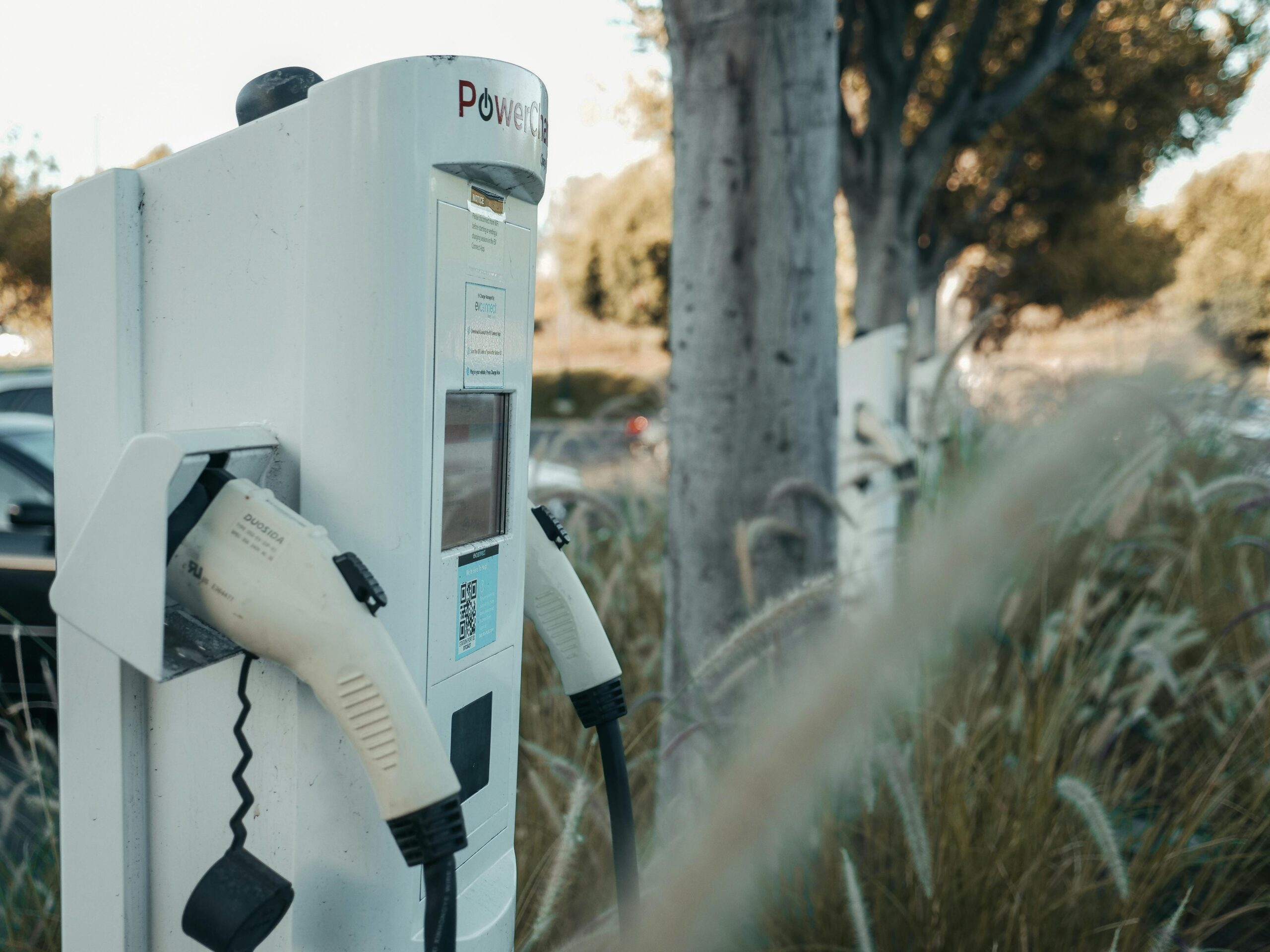
The VDA (the German Association of the Automotive Industry) has already begun the ritual of calling for a “correction” of this error by 2027. They point out, with some justification, that a subsidy is a poor substitute for a functioning nervous system of charging points—an infrastructure that remains, in many parts of the Republic, more of a pious hope than a physical reality.
One is forced to wonder whether this is a genuine attempt to accelerate the Enlightenment project of cleaner, more rational transport, or merely a temporary patch for a leaking budget. Berlin has provided the spark; it now remains to be seen if the German public is willing to provide the combustion.
