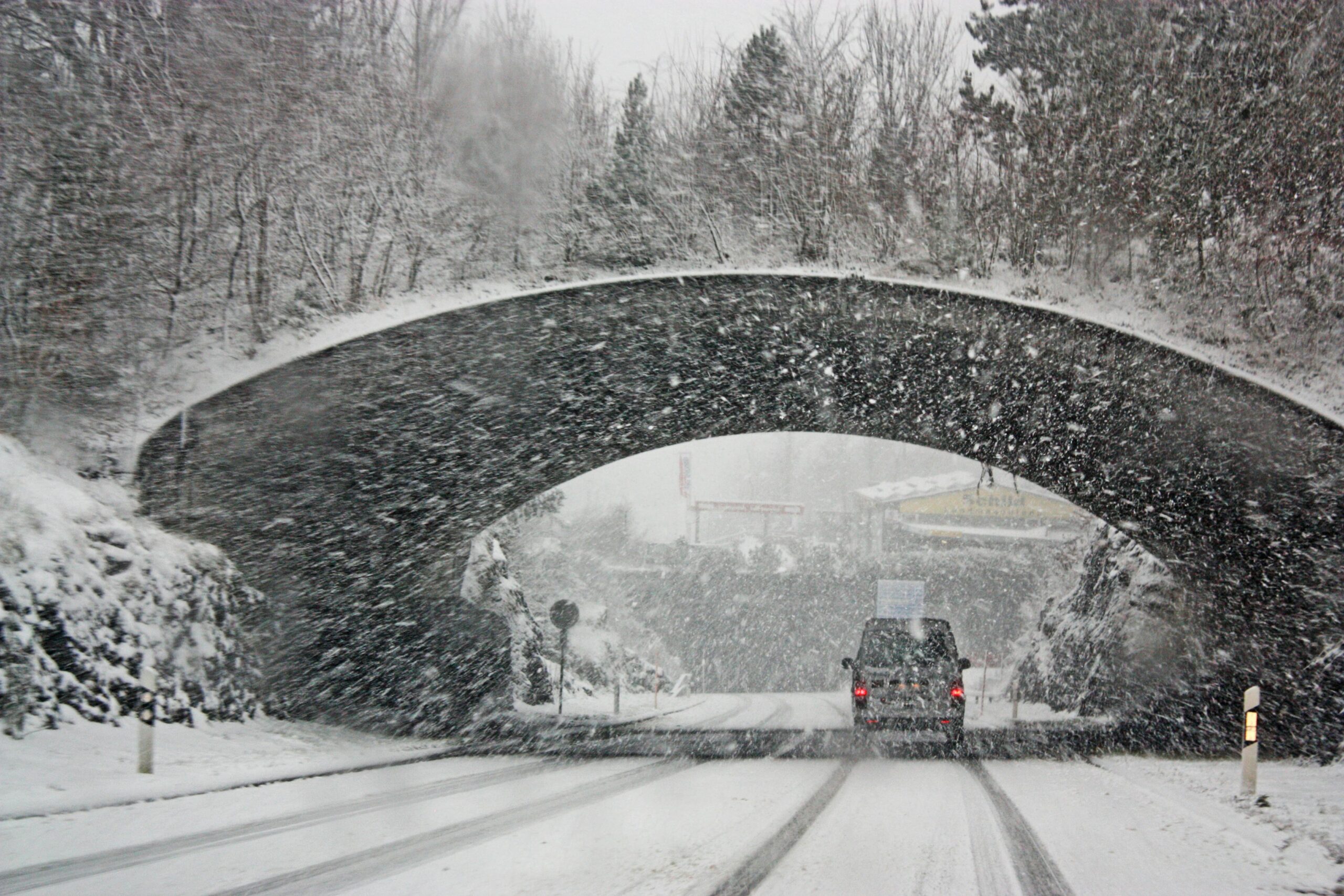
While Deutsche Bahn (DB) reports that main long-distance arteries have reopened, travel across northern Germany remains a challenge. Despite growing backlash over the chaos, DB CEO Evelyn Palla has come out in defense of the company’s crisis response.
In the aftermath of Snowstorm “Elli,” the rail network is still struggling to regain its footing, particularly in the north. While DB confirmed this morning that long-distance services are back up and running on “all major routes,” they warned that the schedule remains thinned out and further cancellations are likely.
Cross-border services to Denmark and the Netherlands, as well as trains to the North and Baltic coasts, are expected to resume gradually from midday.
The situation remains most critical for regional commuters in Schleswig-Holstein and Lower Saxony, where several lines are still completely blocked. “We expect to see a phased increase in services throughout the day as clearing work continues,” a DB spokesperson said. The company blamed the persistent issues on “drifting snow” blowing back onto cleared tracks and railway switches that have either frozen shut or become jammed.
Evelyn Palla defended the company’s decision-making, insisting that the safety of passengers and staff is “the absolute priority.” She described the weather as a “moving target,” explaining that heavy snowdrifts had repeatedly buried sections of track just hours after they had been cleared.
Black Ice and Avalanche Warnings
While the rail network struggles, the situation on the roads has been more manageable, despite a handful of accidents caused by icy patches overnight. The German Weather Service (DWD) lifted its heavy snow warnings on Saturday evening, but the respite will be short-lived.
Forecasters warn that by Monday morning, snow will turn to freezing rain. As the rain hits the frozen ground, “black ice” is expected to cause widespread travel hazards across much of the country.
Conditions are also treacherous in the mountains. Following the heavy snowfall, the avalanche risk in the Alps has spiked, with several regions currently under a Level 4 (High) warning—the second-highest level on the scale.